
In the vast digital landscape, a website’s visibility hinges on its ability to be discovered and understood by search engines. This is where technical SEO steps in, laying the foundation for a successful online presence.
But why is it so crucial? Let’s delve into the core reasons why improving crawlability, addressing technical factors, fixing errors, and optimizing site structure are indispensable for SEO success.One of the most itching questions refers to the very start of your SEO ambitions: The crawling process of the “search engine bot spiders” and it goes….
[ad] Discover these new trends and visit the WebtechChannel24.com Shop


- Table of Content
- 1. The basics: What is technical SEO?
- 2. Main questions about technical SEO for beginners
- 3. Further content about SEO
- 4. Technical SEO – an important aspect of SEO
1. The basics: What is technical SEO?
Technical SEO is the “behind-the-scenes” work that ensures search engines can find, understand, and index your website. While content SEO focuses on words and keywords, technical SEO focuses on the infrastructure of your site. Think of it as the foundation of a house; without a solid base, the most beautiful wallpaper (your content) won’t matter because nobody can safely enter the building.
Key pillars of technical SEO include:
- Crawlability: Ensuring search engine “bots” can navigate your pages without hitting dead ends.
- Site Speed: Optimizing code and images so pages load instantly—a critical factor for user experience.
- Mobile-Friendliness: Making sure the site looks and functions perfectly on smartphones.
- Security: Implementing SSL (HTTPS) to protect user data.
By refining these technical elements, you remove barriers between your content and search engines, ultimately helping your site rank higher and perform better.
2. Main questions about technical SEO for beginners
Let me start with an imaginery example. Let’s say you are building a beautiful library but locking the doors for tourists and visitors. Why would this male sense? And here comes your questions about crawlability.
Why Do I Need to Improve My Website’s Crawlability for Search Engines?
Well, basically in order to open your website towards a larger audience. Search engine bots, like Googlebot, are the librarians that index and categorize your content.

Create a technical SEO audit checklist
A comprehensive technical SEO audit is essential for ensuring search engines can effectively crawl, index, and understand your website. Start by verifying indexability through Google Search Console to identify crawl errors or blocked resources.
Prioritize Core Web Vitals, focusing on loading speed, interactivity, and visual stability, as these directly impact rankings. Ensure your site uses a secure HTTPS connection and has a logical, flat site structure with optimized internal linking. Check for mobile responsiveness, broken 404 links, and proper implementation of canonical tags to prevent duplicate content issues. Finally, optimize your XML sitemap and robots.txt file to guide bots efficiently through your most valuable pages.
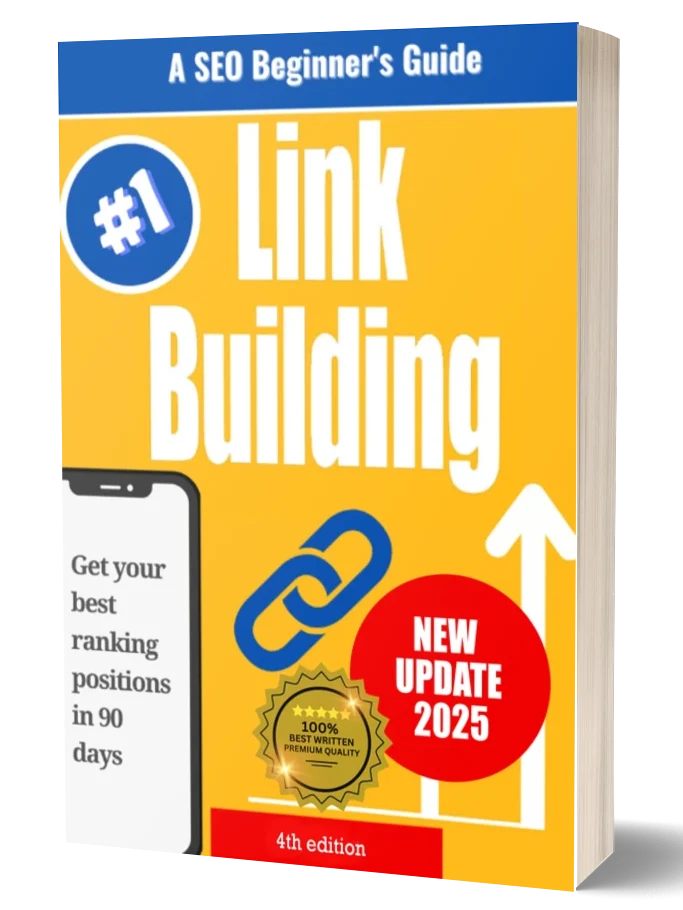
[ad] SEO Link building for beginners

- ✅ Easily creating your link building strategy
- ✅ Heavily improving your Google ranking position
- ✅ Rapidly generating more traffic
- ✅ Guided building of high quality backlinks in 90 days
If they can’t access or navigate your site efficiently, your pages won’t appear in search results. And as an experienced webdesigner you will know, that a pretty decent number of webpages will never get indexed.
Improving crawlability ensures these bots can discover and understand your content, allowing it to be properly indexed. This means creating a clear site structure, submitting an XML sitemap, and optimizing your robots.txt file to guide crawlers. Without good crawlability, even the most compelling content remains hidden, effectively rendering your website invisible.
Why are the most important technical SEO factors to consider important?
Technical SEO factors, such as site speed, mobile-friendliness, and HTTPS, directly impact user experience and search engine perception. A slow-loading website frustrates visitors, leading to high bounce rates and lower rankings. Mobile-friendliness is non-negotiable in today’s mobile-first world, as Google prioritizes mobile indexing.
HTTPS ensures a secure connection, building trust with users and search engines alike. These factors are important because they collectively contribute to a website’s overall health and usability. Search engines reward websites that provide a positive user experience, making these technical elements vital for achieving higher rankings and attracting organic traffic.
What is a website core web vitals audit?

A website Core Web Vitals audit evaluates a site’s user experience through Google’s key performance metrics. It focuses on Largest Contentful Paint (LCP), measuring loading speed of the main content. Interaction to Next Paint (INP) assesses how quickly a site responds to user actions.
Cumulative Layout Shift (CLS) quantifies visual stability, preventing unexpected page shifts. Tools like Google PageSpeed Insights and Search Console are used to gather performance data.
The audit analyzes this data to identify areas where the website falls short. It then provides specific recommendations for improvements, such as image optimization or JavaScript reduction. These improvements aim to enhance user satisfaction and potentially boost search engine rankings. Continuous monitoring ensures ongoing optimal website performance. Ultimately, a Core Web Vitals audit helps create a faster, more stable, and responsive online experience.
Why Do I Have to Fix Common Technical SEO Errors on My Website?
Technical errors, such as broken links, 404 pages, and duplicate content, can hinder your website’s performance and credibility. These errors confuse search engines, leading to lower rankings and a poor user experience.
Broken links frustrate visitors, while duplicate content can lead to penalties. Fixing these errors demonstrates that you prioritize quality and user experience. Regularly monitoring your website for technical issues and promptly addressing them ensures that your site remains healthy and optimized for search engines. Tools like Google Search Console are invaluable for identifying and resolving these errors, safeguarding your website’s reputation and visibility.
Why Do I Have to Optimize My Website’s Site Structure for Better SEO?
A well-organized site structure is essential for both users and search engines. It creates a logical hierarchy, making it easy to navigate and understand your content. A clear site structure helps search engines crawl and index your pages more efficiently, ensuring that all important content is discovered.
This means organizing your content into logical categories, using descriptive URLs, and implementing internal linking to guide users and search engine bots through your site. An optimized site structure not only improves crawlability but also enhances user experience, leading to higher engagement and better SEO performance.
In essence, technical SEO is the foundation upon which a successful website is built. By prioritizing crawlability, addressing technical factors, fixing errors, and optimizing site structure, you can unlock your website’s potential and achieve sustainable SEO success.
![How to create an open shot video super easy? [Step-by-Step-TUTORIAL]](https://www.webtechchannel24.com/Blog/wp-content/uploads/2022/01/Kopie-von-10-secrets-of-successful-people16-1024x576.jpg)