
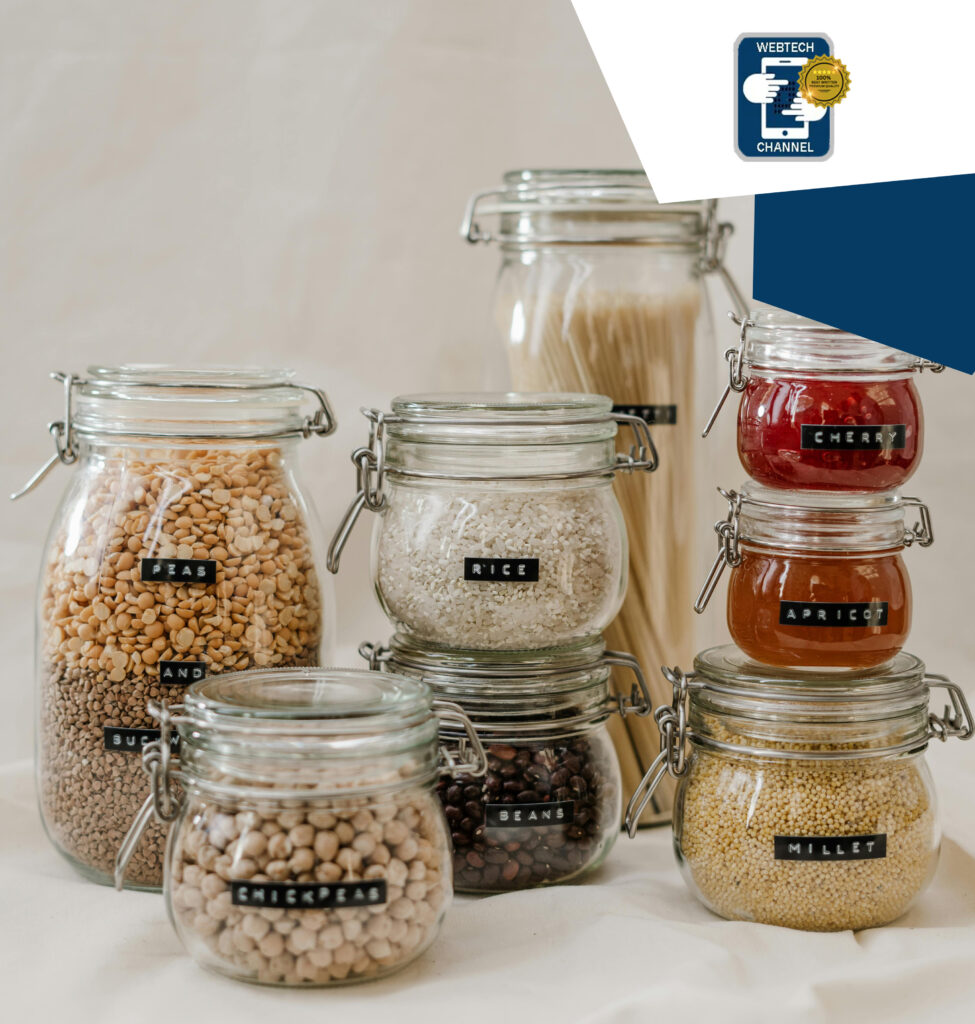
In today’s fast-paced world, where grocery stores are always open and refrigeration is a given, the art of long-term food storage is often forgotten. But for those seeking self-sufficiency, reducing their carbon footprint, or simply ensuring a stable food supply, a backyard root cellar is an indispensable asset.
It’s a low-tech, time-tested solution that harnesses the earth’s natural, stable temperatures to preserve fruits, vegetables, and other perishables for months without electricity. This comprehensive guide will walk you through everything you need to know about building your own backyard root cellar, transforming you from a seasonal gardener into a year-round provider.
[ad] Discover these new trends and visit the WebtechChannel24.com Shop



Understanding the Magic of Root Cellaring
A root cellar isn’t just a hole in the ground; it’s a carefully managed environment. The key to its success lies in three fundamental principles: cool temperatures, high humidity, and proper ventilation. The ideal conditions for most root crops are temperatures between 32°F and 40°F (0°C to 4°C) and a relative humidity of 90-95%. This prevents the vegetables from spoiling, sprouting, or drying out. By digging deep into the earth, you access the ground’s ambient temperature, which remains remarkably consistent below the frost line, regardless of the scorching heat or freezing cold above.
A well-designed backyard root cellar creates this optimal microclimate. The soil itself acts as insulation, the high humidity comes from the ground or a simple gravel floor, and a ventilation system ensures a continuous supply of fresh, cool air while allowing ethylene gas (given off by ripening produce) to escape. This natural synergy allows you to store a bounty of produce—potatoes, carrots, beets, apples, cabbage, and even onions and garlic—well into the spring.
Pre-Construction: Planning and Design
Before you break ground on your backyard root cellar, meticulous planning is paramount. The location, size, and design will depend on your local climate, soil type, and the amount of food you intend to store.
1. Site Selection:
Drainage is Non-Negotiable: A flooded cellar is useless. Choose a location with excellent drainage. A hillside or a natural slope is ideal, as it allows for easy water runoff and, if possible, a walk-in entrance. Avoid low-lying areas or places where water tends to pool. If your soil is heavy clay, you may need to install extensive drainage systems like French drains.
Aspect: A north-facing slope is preferred in the Northern Hemisphere, as it will receive less direct sunlight and remain cooler throughout the day.
Accessibility: Consider how easy it will be to access your cellar, especially during the winter months. You’ll be carrying heavy bins of produce, so a convenient, clear path is essential.
Proximity to Water/Trees: Avoid building near large trees, as their roots can damage the cellar structure over time. Also, stay away from buried utility lines and existing water features that could complicate excavation.
2. Type of Cellar:
Hillside Cellar: The most efficient design. The cellar is dug into the side of a hill, minimizing excavation and allowing for a convenient walk-in entrance.
In-Ground Cellar: A more traditional approach, involving a vertical pit or shaft. This can be built anywhere with good drainage. The entrance is typically a trap door with stairs leading down.
Retrofit Basement: A simple and cost-effective option if you have an unheated basement corner. You can partition off a space, insulate it, and install ventilation. While not as efficient as a dedicated backyard root cellar, it’s a great starting point.
Alternative Ideas: For smaller needs, you can use large containers like old freezers, galvanized trash cans, or even a dug-out hole lined with bales of straw. These won’t offer the same capacity or temperature control but can be effective for short-term storage.
Breaking Ground: Excavation and Foundation
Once your plan is in place, the real work begins. Excavation is the most physically demanding part of building a backyard root cellar.
1. Determine the Depth: You must dig below your region’s frost line to reach the stable, cool ground temperature. A depth of at least 8 to 10 feet is recommended for optimal performance. Remember to consult local building codes regarding excavation and safety regulations.
2. Excavate the Pit: Renting an excavator or hiring a professional might be necessary, especially for a large cellar. For smaller cellars or a true DIY project, a sturdy shovel and a lot of muscle will do the job. Make sure to square up the walls as much as possible and level the floor.
3. Install Drainage: A robust drainage system is your first defense against moisture problems. Install a French drain around the perimeter of the cellar, connecting it to a daylight drain or a dry well to divert water away. Layer the floor with gravel to provide a permeable base that allows excess moisture to seep into the ground.
4. Build the Foundation: The foundation needs to be strong enough to support the weight of the walls and the earth above. Poured concrete is the most durable option. Alternatively, you can use large rocks, concrete blocks (often filled with rebar and concrete), or even treated timber (though this is less durable). The foundation should be level and solid.
Building Up: Walls, Roof, and Entrance
This is where the structure takes shape. Your choice of materials will depend on your budget, skills, and the desired durability of your backyard root cellar.
1. Constructing the Walls: The walls must withstand the significant pressure of the surrounding earth.
Concrete Blocks (Cinder Blocks): A popular choice due to their affordability and ease of use. For structural strength, fill the blocks with concrete and rebar. This provides excellent thermal mass.
Poured Concrete: The strongest option, but requires building forms and the ability to pour and finish concrete properly. It’s highly resistant to water.
Stone: A beautiful, traditional, but incredibly labor-intensive choice. Stone walls have great thermal mass and natural breathability but are more prone to shifting and require skilled masonry.
Timber: A more affordable, DIY-friendly option using treated lumber. This is best for smaller in-ground cellars or retrofits but is less durable and can rot over time if not properly maintained.
2. Building the Roof: The roof needs to be incredibly strong to support the weight of several feet of insulating soil.
Reinforced Concrete Slab: A structural concrete slab is the most robust and permanent option. It can be poured in place over a sturdy form.
Arch Design: Constructing an arch using brick, stone, or precast concrete sections is a structurally superior method but requires significant skill and engineering knowledge.
Heavy Timber Framing: Use thick, structural timbers to create a frame, then overlay it with layers of wood planking, a water-impermeable membrane, and finally, the soil. This is a common and effective DIY solution for a hillside backyard root cellar.
3. Designing the Entrance: The entrance must be well-insulated and weather-tight. A hillside cellar will have a standard door, while an in-ground cellar will need a insulated hatch and a sturdy staircase or ladder. For maximum efficiency, create an “airlock” by installing two doors separated by a small vestibule. This prevents all the cool air from escaping when you enter.
The Final Touch: Finishing and Organization
With the main structure complete, it’s time to finalize the interior of your backyard root cellar for optimal food preservation.
1. Install Ventilation: Proper ventilation is critical for controlling both temperature and humidity. A passive system using two pipes—one intake near the floor to bring in cold air, and one exhaust near the ceiling to release warm, stale air and ethylene gas—is often sufficient. Use PVC pipes (at least 4 inches in diameter) and protect the openings with screens to keep pests out.
2. Control Humidity: If your cellar is too dry, sprinkle water on the gravel floor. If it’s too humid, increase ventilation. Monitoring with a simple hygrometer is recommended.
3. Add Insulating Earth: This is the most important step for temperature stability. Cover the entire cellar—roof and walls—with at least 2-3 feet of soil. Plant grass or a low-maintenance ground cover on the soil to prevent erosion and add another layer of insulation.
4. Organize with Shelves and Bins: The goal is maximum airflow. Install open-slat shelving and use breathable containers like wooden crates, burlap sacks, or mesh bags. Avoid stacking produce directly on the floor. Group your vegetables based on their compatibility (some, like apples, produce ethylene gas, which can cause other vegetables like potatoes to sprout prematurely, so keep them separate).
Embracing the Harvest: Maintenance and Storage
A backyard root cellar is a living storage unit, not a “set-it-and-forget-it” system. Regular attention is key to success.
1. Monitor and Adjust: Regularly check the temperature and humidity. Adjust the ventilation pipes as needed. During extreme cold, you may need to partially close the intake vent to prevent freezing. In early fall or late spring, you might need to leave vents open more to maintain cool temperatures.
2. Pest Control: Keep the area around the cellar clear of debris. Install screens on all vents. Regularly check the interior for signs of rodents. Using natural deterrents or safe, appropriate traps is a good practice.
3. Inspect and Use Your Produce: This is perhaps the most crucial task. Regularly inspect your stored food. Immediately remove any items showing signs of spoilage, as rot can spread quickly to neighboring produce. Use the older food first and plan your meals around the availability of your stored goods.
4. Keep it Clean: Give your backyard root cellar a good cleaning once a year, preferably in the late spring after it has been emptied. Remove any remaining produce, sweep the shelves and floor, and check the ventilation pipes for blockages.
Building a backyard root cellar is a rewarding and practical project that reconnects you with the fundamental cycles of food production. While it requires careful planning, hard work, and ongoing maintenance, the reward—a abundant supply of fresh, homegrown food throughout the long winter months—is priceless. This simple, effective technology empowers you to take control of your food security and live a more resilient, self-sufficient life.
Frequent Questions: Your Backyard Root Cellar Explained
What can I store in my backyard root cellar, and for how long?
A well-functioning root cellar can store an impressive variety of produce. Root vegetables like potatoes, carrots, and beets are the most common, lasting for 5-9 months. Other items include apples (4-6 months), cabbage (3-5 months), pumpkins and winter squash (2-6 months), and even onions and garlic, which prefer drier conditions and should be stored elsewhere if your cellar is very humid. Proper separation is key, as some fruits like apples release ethylene gas which can cause vegetables to sprout or spoil faster. Source: “The Complete Root Cellar Book” by Steve Maxwell and Loretta Heffernan.
How can I effectively control the temperature in my backyard root cellar without electricity?
The primary way to control temperature without electricity is through earth insulation and a smart ventilation system. By burying the cellar below the frost line (usually at least 8-10 feet), you are utilizing the constant, cool ground temperature, which generally stays around 32-40°F (0-4°C) year-round. A passive ventilation system uses a cold-air intake pipe near the floor and a warm-air exhaust pipe near the ceiling, allowing you to regulate airflow manually. You can adjust the vent openings to bring in colder air on chilly nights or reduce airflow during extreme cold to prevent freezing. Source: “Build Your Own Underground Root Cellar” by Phyllis Hobson.
How do I manage humidity and prevent mold in my backyard root cellar?
A high relative humidity of 90-95% is critical for most root crops to prevent them from drying out and shriveling, but excess moisture can lead to destructive mold and rot. Maintaining a dirt or gravel floor is often sufficient to pull natural moisture from the earth. To increase humidity, you can sprinkle water on the floor or place a damp cloth inside. To decrease humidity and prevent mold, your ventilation system is crucial. Ensure strong airflow to remove stale, warm air, and always use open-slat shelving and breathable containers to ensure good air circulation around all your produce. Source: “The Root Cellaring Manual” by James M. Stephens.
These posts might also be interesting
- How to publish a book on Amazon: A step-by-step practice
- Rich Results Test Guide: How to boost your website performance
- 4 central steps to AFFILIATE MARKETING for Beginners [FREE pdf]
- Free crypto rewards: New opportunities in ’26 [Review]
- How to make money from home as a student?
- How to make MONEY WITH BOOKS?
- How to make BIG MONEY with CRYPTO in 2026
- What are BEST SEO BACKLINK STRATEGIES 2026? [FREE GUIDE]
- Why technical SEO really matters – Unlocking the full potential
- Learn today why BACKLINK QUALITY is so important [FREE GUIDE]

![How to create an open shot video super easy? [Step-by-Step-TUTORIAL]](https://www.webtechchannel24.com/Blog/wp-content/uploads/2022/01/Kopie-von-10-secrets-of-successful-people16-1024x576.jpg)