
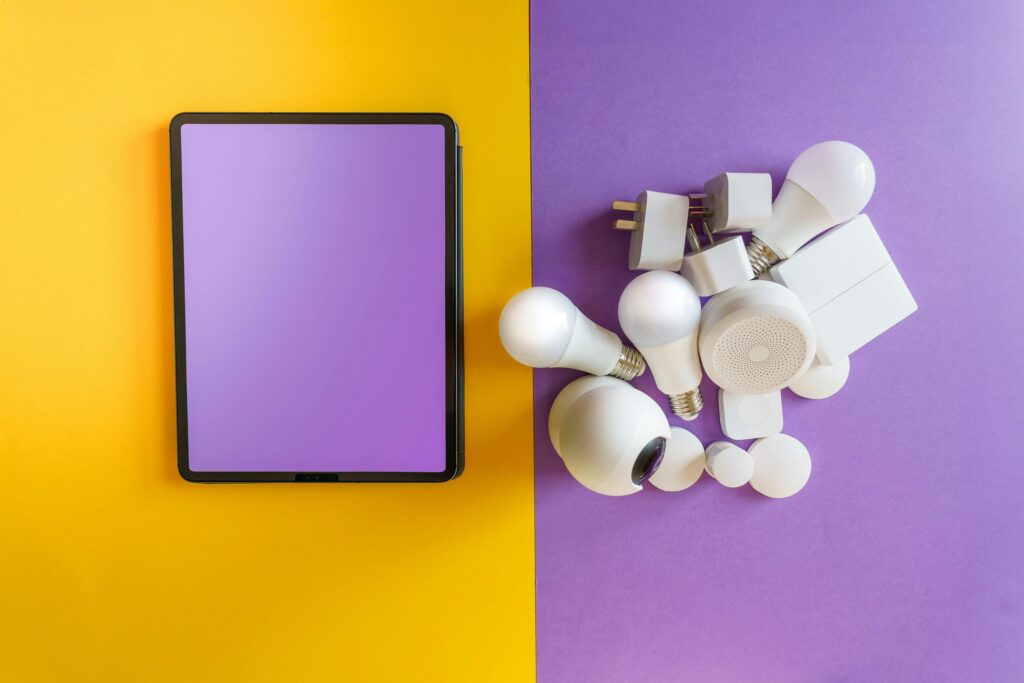
The concept of a “smart home” has undergone a radical transformation over the last decade. In the early 2020s, automation was largely about convenience—turning off lights with your voice or checking a doorbell camera from your phone.
However, as we move through 2026, the narrative has shifted from mere convenience to critical sustainability. With rising energy costs and a global push toward carbon neutrality, the modern household is now defined by its efficiency.
[ad] Discover these new trends and visit the WebtechChannel24.com Shop



Investing in an Eco-Friendly Smart Home Gadget is no longer just a trend for tech enthusiasts; it is a financial and environmental necessity. Today’s gadgets don’t just “talk” to each other; they manage energy ecosystems, predict weather patterns to adjust heating, and even trade excess solar power back to the grid. In this guide, we explore the definitive best-in-class technology helping homeowners slash their carbon footprints while maintaining a high standard of living.
The Brain of the House: AI-Driven Energy Monitors
The first step to saving energy is understanding where it goes. In 2026, the “dumb” electrical panel is a thing of the past. Modern smart panels act as the central nervous system of the home. These devices use machine learning to identify the “electrical fingerprint” of every appliance in your house.
Whether it’s a toaster, a 10-year-old refrigerator, or an EV charger, the panel tracks real-time consumption down to the watt. The most impressive Eco-Friendly Smart Home Gadget in this category can now suggest “vampire power” audits, identifying devices that draw energy even when turned off. By providing actionable data, these monitors allow users to reduce their total energy consumption by up to 20% simply by changing habits or replacing inefficient hardware.
Smart HVAC: Precision Climate Control
Heating and cooling remain the largest energy drains in the average household. The smart thermostats of 2026 have evolved far beyond simple scheduling. Integrating with Matter 2.0 (the universal smart home standard), these devices now communicate with smart windows and automated blinds.
If your thermostat detects that the afternoon sun is heating the living room, it won’t just crank up the AC. Instead, it signals the smart blinds to close, maintaining the temperature naturally. Furthermore, “Dynamic Zoning” allows the system to cut off airflow to unoccupied rooms based on motion sensor data. This level of precision ensures that not a single kilowatt is wasted on an empty hallway or a guest room that hasn’t been used in weeks.
Water Conservation: Beyond the Showerhead
Energy isn’t the only resource we need to save. Smart water monitors have become essential for the eco-conscious home. These devices sit on your main water line and can detect a leak as small as a single drop per minute. In 2026, these systems are often integrated with smart irrigation for gardens.
By analyzing local soil moisture sensors and hyper-local weather forecasts, these gadgets ensure that your lawn is only watered when absolutely necessary. If rain is predicted within the next six hours, the system cancels the scheduled watering. This synergy between indoor leak detection and outdoor resource management makes the smart water valve a top-tier Eco-Friendly Smart Home Gadget for reducing a home’s total environmental impact.
Lighting: The Human-Centric Evolution
LED technology is already efficient, but smart lighting in 2026 takes it further through “Human-Centric Lighting” and advanced occupancy sensing. We have moved past the era of leaving lights on by accident. Ultra-wideband (UWB) sensors can now track presence with such accuracy that lights dim and brighten as you walk through a room, creating a “pathway” of light that follows you.
Moreover, these systems are now integrated with solar harvesting tech. Smart sensors measure the amount of natural “daylight” entering a room and adjust the bulb’s brightness to maintain a consistent level. If the sun is bright, the bulbs might only operate at 10% capacity, saving massive amounts of energy over the course of a year without the user ever noticing a change in visibility.
The Rise of Energy Harvesting Sensors
One of the most exciting shifts in 2026 is the disappearance of the battery. Previous generations of smart sensors required disposable lithium batteries, which created electronic waste. The new wave of an Eco-Friendly Smart Home Gadget often utilizes energy harvesting technology.
These tiny sensors—used for temperature, humidity, or door windows—power themselves using indoor light (photovoltaics), kinetic energy from a door opening, or even the temperature difference between the wall and the air (thermoelectric). This “install and forget” technology ensures that making your home smart doesn’t contribute to the global battery waste crisis, completing the circle of true sustainability.
Kitchen Sustainability: Smart Composting and Cooling
The kitchen has seen a massive tech overhaul. Smart refrigerators now feature internal cameras and AI that tracks expiration dates, reducing food waste—a major contributor to methane emissions in landfills. But the real star is the countertop smart composter.
These devices have evolved from loud, smelly boxes into sleek, silent machines that turn food scraps into nutrient-rich “dirt” in under four hours using specialized heating and grinding cycles. When the kitchen is managed by an Eco-Friendly Smart Home Gadget ecosystem, the result is a massive reduction in both energy draw and physical waste output.
Conclusion: A Seamless Path to Net Zero
The best eco-friendly gadgets of 2026 are those that require the least amount of “work” from the homeowner. We are moving toward a future where the house manages itself—optimizing for the lowest carbon intensity from the grid and the highest efficiency from its internal systems.
By investing in these technologies today, you aren’t just buying a gadget; you are upgrading your home into a high-performance asset. The transition to a greener lifestyle no longer requires sacrifice—only the right technology to make smarter choices on our behalf.
Frequent Questions About Eco-Friendly Smart Home Gadgets
Do smart home gadgets actually save enough energy to justify their initial cost?
Most high-quality energy-saving gadgets, such as smart thermostats and AI energy monitors, typically pay for themselves within 18 to 24 months through reduced utility bills. By eliminating “vampire” power loads and optimizing HVAC cycles, homeowners can see a reduction in monthly energy costs ranging from 15% to 30%. Additionally, many utility providers offer rebates or discounted rates for households that install certified smart energy management systems. Over the lifespan of the device, the total savings significantly outweigh the upfront purchase price.
(Source: U.S. Department of Energy, “Estimating Costs and Savings of Smart Home Technologies”)
What makes a gadget a “true” Eco-Friendly Smart Home Gadget compared to standard smart tech?
A true eco-friendly gadget is defined not just by its function, but by its entire lifecycle, including sustainable manufacturing materials and low standby power consumption. While a standard smart device might provide convenience, an eco-friendly version focuses on resource optimization, such as reducing water waste or carbon emissions. Many of these devices now feature “Energy Star” ratings or “Matter” certification to ensure they operate efficiently within a wider ecosystem. They are also increasingly designed to be repairable and recyclable to prevent long-term electronic waste.
(Source: Environmental Protection Agency (EPA), “Green Electronics Criteria”)
Are there security risks when installing energy-tracking devices in my home?
While any internet-connected device carries some level of risk, modern smart home standards like Matter and Thread utilize end-to-end encryption to protect user data. Most reputable manufacturers now prioritize “Local Processing,” meaning your energy usage data is analyzed inside your home rather than being sent to a cloud server. Users can further enhance security by using strong, unique passwords and ensuring their home router’s firmware is always up to date. Security in 2026 has become a foundational element of smart home design rather than an afterthought.
(Source: National Institute of Standards and Technology (NIST), “Consumer IoT Cybersecurity Guidelines”)
These posts might also be interesting
- How to publish a book on Amazon: A step-by-step practice
- Rich Results Test Guide: How to boost your website performance
- 4 central steps to AFFILIATE MARKETING for Beginners [FREE pdf]
- Free crypto rewards: New opportunities in ’26 [Review]
- How to make money from home as a student?
- How to make MONEY WITH BOOKS?
- How to make BIG MONEY with CRYPTO in 2026
- What are BEST SEO BACKLINK STRATEGIES 2026? [FREE GUIDE]
- Why technical SEO really matters – Unlocking the full potential
- Learn today why BACKLINK QUALITY is so important [FREE GUIDE]