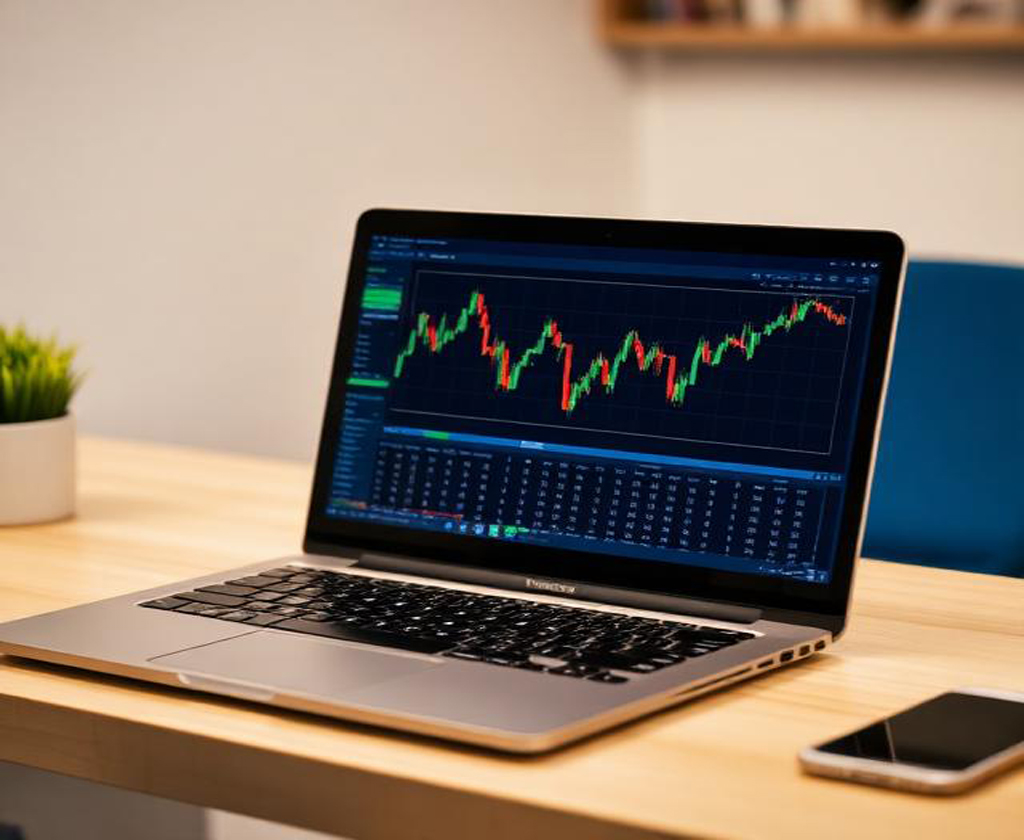
Thinking about diving deeper into the world of forex trading? Forex trading, the buying and selling of currencies, can be an exciting and potentially lucrative endeavor, but it’s important to understand the basics before you jump in.
- Table of Content
- Understanding the Forex Market
- Getting Started with Forex Trading for Beginners
- Common Questions and Answers for Forex Beginners
- Conclusion a world of Forex trading strategies
This guide will walk you through the fundamentals of forex trading, from understanding currency pairs to choosing a broker, all with an eye on helping you get started safely and effectively.
[ad] Discover these new trends and visit the WebtechChannel24.com Shop

Understanding the Forex Market
The foreign exchange market, or forex market, is the largest and most liquid financial market in the world. It operates 24 hours a day, five days a week, and involves the trading of currencies from across the globe. When you trade forex, you’re essentially betting on the relative value of one currency against another.
For example, if you believe the Euro will strengthen against the US Dollar, you would buy the EUR/USD currency pair. If you’re right and the Euro rises, you make a profit. If the Euro weakens, you take a loss.
Getting Started with Forex Trading for Beginners
For those just starting out, navigating the complexities of the forex market can seem daunting. That’s why many beginners turn to structured learning resources, like a forex trading for beginners free course. These courses can provide a valuable foundation, teaching you everything from the basics of technical and fundamental analysis to managing risk and developing a trading plan.
Recommended products
-

Forex 4D Trader Strategy For METATRADER 4 Platform [SOFTWARE]
$37.00 -

AI BOOK WRITER – The professional tool for modern AI authors
$29.99 -
The INTERNET SALES MACHINE by Edmund loh
Original price was: $197.00.$19.70Current price is: $19.70.
Here’s a breakdown of the key steps to getting started:
- Educate Yourself: This is the most critical step. Before you invest any money, dedicate time to learning the ropes. Take advantage of free courses, online tutorials, and educational articles to build your knowledge base.
- Choose a Reputable Broker: Your broker is your gateway to the forex market. When selecting a broker, consider factors like regulation, trading platforms, fees, and customer support. Look for brokers that offer demo accounts, which allow you to practice trading with virtual money.
- Develop a Trading Plan: A trading plan outlines your trading strategy, risk management rules, and goals. It’s essential for maintaining discipline and avoiding impulsive decisions.
- Practice with a Demo Account: A demo account is an invaluable tool for testing your trading plan and getting a feel for the market without risking any real capital. Spend ample time practicing and refining your strategy before moving to a live account.
- Start Small and Manage Risk: When you’re ready to trade with real money, start small. Never invest more than you can afford to lose. Implement risk management techniques like stop-loss orders to limit potential losses.
Common Questions and Answers for Forex Beginners
As you begin your forex trading journey, you’re bound to have questions. Here are some of the most frequently asked questions from beginners, with detailed answers and references to help you navigate this exciting market.
How much money do I need to start forex trading?
The amount you need to start varies widely, but many brokers allow you to open a mini or micro account with a relatively small initial deposit, sometimes as little as $100 or less. However, it’s generally recommended to start with a sufficient capital base to allow for effective risk management and to absorb potential losses.
It’s crucial only to trade with money you can afford to lose. For more details on account types and minimum deposits, consult reputable sources like Investopedia, which provides comprehensive guides on forex trading for beginners.
What are the biggest risks associated with forex trading?
Forex trading involves significant risk, primarily due to market volatility, leverage, and the complexity of currency movements. Leverage, while allowing for potentially larger profits, can also magnify losses if trades go against you.
Unexpected economic events, political instability, and central bank policies can all cause sharp and unpredictable currency fluctuations. For an in-depth exploration of the risks and how to manage them, resources like Babypips, which offers a popular and free forex trading course, are excellent starting points.
Can I become a millionaire with forex trading?
While it is theoretically possible to make significant profits in forex trading, it’s essential to maintain realistic expectations. Forex trading is not a guaranteed way to get rich quick and requires discipline, knowledge, patience, and a well-defined strategy.
Most beginners lose money initially, and even experienced traders experience periods of loss. Success in forex trading comes from consistent effort, continuous learning, and proper risk management, rather than focusing solely on making millions overnight. For a balanced perspective on the earning potential in forex, you can refer to articles and discussions on forums like Forex Factory.
Conclusion a world of Forex trading strategies
Embarking on your forex trading journey can be both challenging and rewarding. By prioritizing education, starting with a demo account, developing a sound trading plan, and managing risk carefully, you can increase your chances of success in this dynamic and fast-paced market.
Remember, patience, discipline, and a continuous commitment to learning are key to navigating the world of forex trading effectively.
Sources
Forex Factory – Is It Possible to Make a Living from Forex?
Investopedia – Forex Trading: A Beginner’s Guide

![How to create an open shot video super easy? [Step-by-Step-TUTORIAL]](https://www.webtechchannel24.com/Blog/wp-content/uploads/2022/01/Kopie-von-10-secrets-of-successful-people16-1024x576.jpg)