

The winter blues aren’t just a mood; for many, they are a palpable descent into sluggishness, sadness, and a pervasive lack of energy. This phenomenon, often termed Seasonal Affective Disorder (SAD), is a very real form of depression linked to decreased sunlight exposure.
But the darkness isn’t just about winter; many people suffer from year-round depressive disorders, and increasingly, anxiety is interwoven with these experiences. What if there was a simple, non-invasive treatment that harnesses the power of light to rebalance our brains and lift our spirits? Enter light therapy.
[ad] Discover these new trends and visit the WebtechChannel24.com Shop

- Table of Content
- 1 Understanding the Science: How Light Affects Our Brains
- 2 Light Therapy for Depression: The research
- 3 Light Therapy for Depression and Anxiety
- 4 Quick Guide to setting up an effective home light therapy routine
- 5 Conclusion: Lighting the Path Forward
Light therapy for depression is gaining significant traction as an effective and accessible treatment modality. Also known as phototherapy, it involves exposing oneself to artificial light that mimics natural sunlight. While primarily known for treating SAD, its applications are expanding, with growing interest in its benefits for non-seasonal depression and even anxiety.
This post will delve into the science behind light therapy, explore its efficacy for various conditions, guide you on implementing it at home, and answer common questions about this illuminating approach to mental wellness.
Understanding the Science: How Light Affects Our Brains
Our bodies operate on an intricate internal clock called the circadian rhythm, which regulates sleep-wake cycles, hormone production, and mood. Sunlight is the primary external cue that synchronizes this clock. When we expose our eyes to bright light in the morning, it signals the brain (specifically the suprachiasmatic nucleus) that it’s daytime.
This signal triggers a cascade of neurochemical effects:
- Melatonin Suppression: Light inhibits the production of melatonin, the hormone that makes us sleepy. High melatonin levels during the day can contribute to lethargy and fatigue.
- Serotonin Boost: Exposure to bright light is believed to increase the production and activity of serotonin, a neurotransmitter associated with mood regulation, sleep, and appetite. Low serotonin is linked to depression and anxiety.
- Circadian Alignment: Consistent light exposure helps “reset” or align the circadian rhythm, ensuring our bodies’ biological processes are in sync with the actual time of day. Desynchronized rhythms are often linked to sleep problems and mood disorders.
When sunlight is scarce, as in winter, or when our routines keep us indoors, this finely tuned system can be disrupted, potentially leading to symptoms of depression and anxiety.
Light Therapy for Depression: The research
The most established application of light therapy is for Seasonal Affective Disorder. Studies have consistently shown that morning light therapy is significantly more effective than placebo in reducing SAD symptoms, often within one to two weeks. Its effectiveness is comparable to antidepressant medication for SAD, with fewer side effects.
Recommended products
-
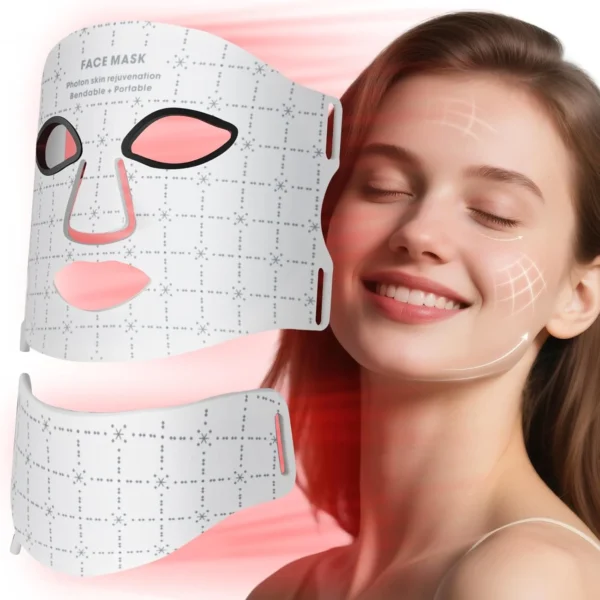
LIGHT THERAPY Facial-X7
$176.95 -
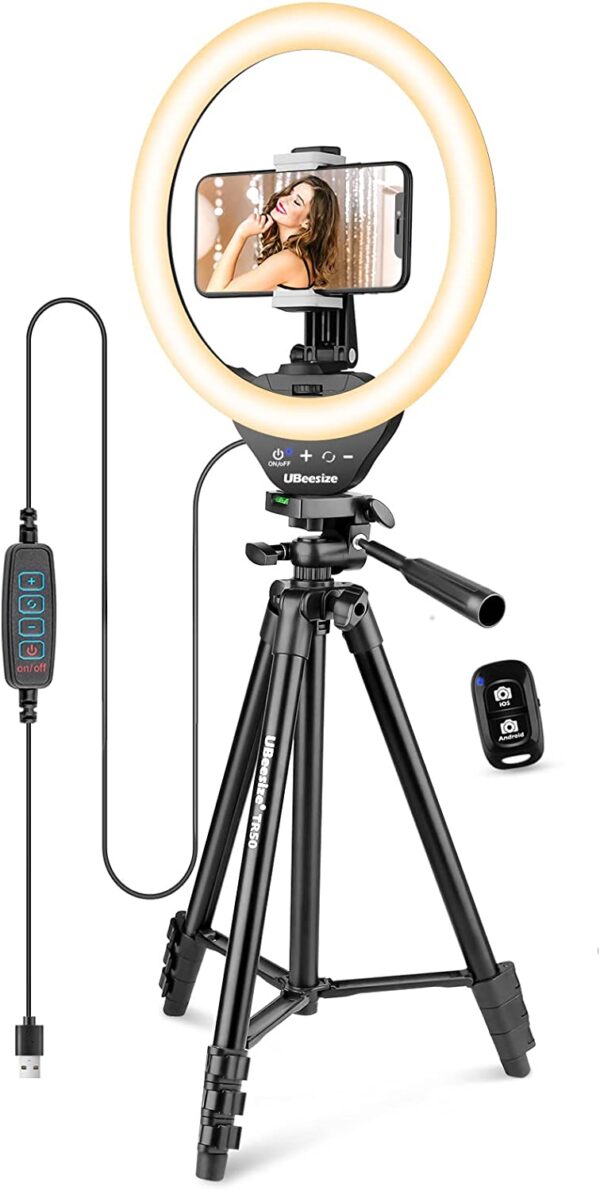
Ring light LED circle lights
Original price was: $36.99.$32.99Current price is: $32.99.
However, the benefits extend beyond SAD. There is growing evidence supporting light therapy for non-seasonal Major Depressive Disorder (MDD). Several studies have found that adjunctive light therapy (used alongside medication or psychotherapy) can accelerate response times and enhance treatment outcomes compared to therapy alone. Even monotherapy (using only light) has shown promise for some individuals with MDD, particularly when implemented correctly in terms of timing and dosage.
The mechanism appears similar: correcting circadian disruptions and boosting serotonin levels, which are relevant pathways in both seasonal and non-seasonal depression.
Light Therapy for Depression and Anxiety
Depression and anxiety frequently coexist. For individuals suffering from comorbid depression and anxiety, light therapy may offer a double benefit.
Research exploring light therapy specifically for anxiety disorders is less extensive than for depression, but the available evidence suggests positive outcomes. By stabilizing the circadian rhythm and improving sleep quality—both critical for anxiety management—light therapy can indirectly reduce anxiety levels.
Furthermore, the serotonin-boosting effects are highly relevant. Many anxiety treatments target the serotonergic system. Increasing serotonin activity naturally through light exposure may help alleviate generalized anxiety and potentially reduce the severity of panic attacks or social anxiety symptoms linked to neurochemical imbalances.
One potential mechanism involves the amygdala, the brain’s emotional center, which plays a key role in fear and anxiety. Some research suggests light therapy may modulate amygdala reactivity, leading to reduced anxiety responses. For those searching for complementary approaches, light therapy for depression and anxiety is a promising area worthy of consideration and discussion with a healthcare provider.
Quick Guide to setting up an effective home light therapy routine:
One of the greatest advantages of light therapy is its feasibility for home use. Implementing light therapy for depression at home requires a light therapy box, which is readily available without a prescription.
1. Choose the Right Light Box:
- Intensity: Opt for a box emitting 10,000 lux of light. Lux is the measure of light intensity. Lower intensities (e.g., 2,500 lux) require significantly longer session times for the same effect.
- Spectrum: The light should be bright white or broad-spectrum, closely mimicking natural daylight. Avoid boxes emitting excessive ultraviolet (UV) light, which can damage eyes and skin. Most therapy boxes are filtered to remove harmful UV.
- Size and Design: Larger screens provide a wider field of illumination, allowing for more flexibility in your position. Some models tilt, which can be useful.
2. Optimal Timing:
- Morning is Key: For most people, light therapy is most effective when used in the early morning, ideally shortly after waking. This helps signal the brain that the day has started, suppresses melatonin, and helps phase-advance (shift earlier) the circadian rhythm.
- Avoid Evening Use: Using bright light in the late afternoon or evening can delay the circadian rhythm, making it harder to fall asleep and potentially disrupting the sleep cycle further.
3. Duration and Consistency:
- Start with 20-30 Minutes: Begin with a 20-30 minute session daily. You can adjust the duration based on your response and any side effects.
- Consistency is Crucial: For best results, use light therapy every single day throughout the season (or consistently for non-seasonal conditions). Skipping days can diminish effectiveness.
4. Positioning Your Light Box:
- Keep Eyes Open, But Don’t Stare: Place the box on a desk or table at eye level or slightly above. Do not stare directly into the light; rather, the light should bathe your eyes while you engage in other activities like reading, eating breakfast, or working.
- Distance Matters: Follow the manufacturer’s instructions regarding the correct distance, typically 12-24 inches (30-60 cm) from your face.
5. Monitoring Effects:
- Anticipate Quick Results (for some): For SAD, improvement can often be felt within a week. For non-seasonal depression, it may take 2-4 weeks.
- Track Side Effects: Most people tolerate light therapy well. Mild and temporary side effects might include headache, eye strain, nausea, or agitation. Adjusting the distance, duration, or timing (slightly later in the morning) often resolves these.
Important Considerations and Safety
While generally safe, light therapy is not for everyone. Consulting a doctor before starting is crucial, especially if you have conditions like:
- Bipolar Disorder: Light therapy can potentially trigger manic or hypomanic episodes in individuals with bipolar disorder. Strict supervision is essential.
- Eye Conditions: People with retinal disease, glaucoma, or other serious eye conditions should consult an ophthalmologist first, as bright light may be harmful.
- Skin Sensitivity or Photosensitizing Medications: Certain medications (like lithium, some antibiotics, and antipsychotics) or skin conditions can increase sensitivity to light, making therapy risky.
A healthcare professional can help determine if light therapy is appropriate, guide you on optimal parameters, and monitor your response.
Conclusion: Lighting the Path Forward
Light therapy for depression represents a powerful, scientifically grounded tool for improving mental health. By understanding its impact on our circadian biology and neurochemistry, we can effectively harness the properties of light to alleviate the symptoms of seasonal and non-seasonal depression and potentially ease anxiety. The accessibility of light therapy for depression at home makes it an empowering option for integration into daily routines. If you or someone you know struggles with these conditions, exploring light therapy with a healthcare professional could illuminate a brighter path forward.
Frequent Questions About Light Therapy
How long does it take to see effects from light therapy for depression, and is it permanent?
Improvement, especially for Seasonal Affective Disorder (SAD), can often be seen relatively quickly, sometimes within 1-2 weeks of consistent daily use. However, for non-seasonal depression, the effects might take longer to manifest, possibly 2-4 weeks. The treatment is typically not permanent and is usually needed continuously (either seasonally or ongoing for non-seasonal conditions) to maintain the beneficial effects on mood and energy levels. Discontinuing therapy often leads to a recurrence of symptoms. Source: Cleveland Clinic, “Seasonal Affective Disorder (SAD)”
Can light therapy help with anxiety disorders as well as depression?
While most extensively researched for depression, light therapy shows promise for anxiety, particularly generalized anxiety that co-occurs with depression. It likely works by stabilizing the circadian rhythm, improving sleep quality (both key for anxiety management), and potentially boosting serotonin levels, which regulates both mood and anxiety. While not a primary treatment for all anxiety disorders, it can be a valuable complementary approach, and some evidence suggests it may modulate the brain’s anxiety response centers. Source: Harvard Health Publishing, “Light therapy for depression… and anxiety?”
What are the main side effects of using a light box, and is it safe for my eyes?
Light therapy is generally safe, with side effects that are usually mild, temporary, and easily managed by adjusting use (distance, duration, or timing). Common side effects can include headache, eye strain, nausea, and agitation or irritability, particularly if the light intensity is too high or used too late in the day. Regarding safety for the eyes, reputable light therapy boxes have UV filters that remove harmful ultraviolet light, making them safe when used correctly and not stared into directly, though individuals with pre-existing eye conditions should always consult an ophthalmologist first. Source: Mayo Clinic, “Light therapy: Is it safe for your eyes?”


![Five Amazon KDP mistakes that you should avoid [TUTORIAL]](https://www.webtechchannel24.com/Blog/wp-content/uploads/2022/02/new4-1024x576.jpg)